Teresa Panza’s Letter to Sancho Panza
Don QuixoteTeresa Panza’s Letter to Sancho Panza turns news of Sancho’s governorship into a domestic event: Teresa receives the announcement with astonishment and delight, imagines what his elevation might mean for the family, and answers with village news and requests. Read aloud at the Duke and Duchess’s court, it is enjoyed as a comic letter, but its details also make the distant governorship answerable to the everyday concerns of home: a daughter’s work, a possible visit to Court, local marriages, money, and a dry village fountain.
The Letter and Its Reading
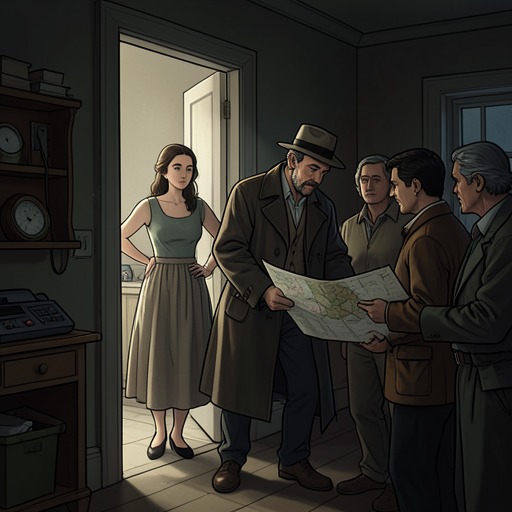
The letter is presented after the Duchess asks Don Quixote whether she may open the message that has arrived for the governor. He agrees, and she reads Teresa’s letter to Sancho aloud. The scene makes the private exchange between spouses into a public performance for the household; the company’s amusement, particularly that of the Duke and Duchess, frames the letter as entertainment as well as news from home.
Teresa writes in response to Sancho’s letter and the things sent with it. She has received his suit, coral beads sent by the Duchess, and letters brought by a messenger, yet the evidence before her seems almost too extraordinary to trust. The clothing, jewelry, written messages, and bearer form a cluster of tangible proofs of the change in the family’s circumstances, but Teresa says she could scarcely believe what she saw and handled. Her astonishment gives the governorship its first measure: not a formal description of office, but the difficulty of reconciling a goatherd’s familiar life with the new title.
Joy, Advancement, and Household Ambition
Teresa describes her happiness as so sudden and intense that she nearly went mad, and recalls thinking that the news of Sancho’s appointment might make her drop dead from joy. She extends that first astonishment into an expectation of further advancement. If Sancho lives long enough, she hopes, he might become a farmer of taxes or collector of revenue—offices she associates with handling money, even while acknowledging the danger facing those who misuse it. Her ambition is concrete and material: the title matters partly because it seems to promise access to income and a higher position.
She also wants to go to Court and asks Sancho to consider the idea and tell her what he wishes. She imagines making the journey in a coach, presenting herself in a manner befitting her husband’s elevation. The request does not settle whether she will go; it makes that decision part of their correspondence and leaves Sancho to answer. Elsewhere in the story, Sancho has treated his status as an old Christian as sufficient for becoming a count, while Don Quixote has promised that a king could make him a gentleman. Teresa’s letter shifts the question of rank from that extravagant promise to the family’s practical hopes and the visible signs by which advancement might be recognized.
The suit itself becomes a household resource: Teresa plans to make a dress for their daughter, Sanchica, from it. She has sent acorns to the Duchess and wishes they had been gold; she now asks Sancho to send strings of pearls if they are fashionable on the island. These gestures join affection and social aspiration without separating them. The acorns are a gift from home, the beads are a gift from the Duchess, and the hoped-for pearls would be a return from Sancho’s new sphere. Clothing and ornaments translate an uncertain appointment into things the family can wear, exchange, and imagine possessing.
Reports from the Village
Teresa’s account of village affairs is not a single piece of news but a compact series of local cases. La Berrueca’s daughter has married a painter who first came to paint the King’s arms on the town hall. He took two ducats in advance, worked for eight days without painting anything, returned the money, and then abandoned the brush for a spade. Teresa reports that he married on the claim of being a good workman, while his present life is agricultural labor. The story punctures the prestige of a supposed profession with the specific facts of an unfinished commission and a returned payment.
Other items turn on marriage, vocation, and reputation. Pedro Lobo’s son has received the first orders and tonsure with the intention of becoming a priest; Minguilla, Mingo Silvato’s granddaughter, has brought a case against him over his promise of marriage. Village gossip says she is pregnant, a claim he firmly denies. Teresa relays both the dispute and the conflicting accounts without resolving them, making the letter a record of what the village says as well as of what has happened.
The remaining reports keep the same close scale. There are no olives that year and no vinegar anywhere in the village. A company of soldiers passed through and took three village girls away; Teresa withholds their names and speculates that they may return and find husbands despite their shortcomings. Sanchica makes bonelace, earning eight maravedis a day after expenses and saving the money toward furnishing a household. Teresa assumes that, now that Sanchica is a governor’s daughter, Sancho will provide her a portion without requiring her to work for it. At the same time, the fountain in the plaza has run dry, and lightning has struck the gibbet. Public advancement and private want sit side by side in the same report.
Comic Contrast and Narrative Significance
The letter’s humor grows from the distance between Sancho’s grand title and Teresa’s grounded inventory. She can imagine revenue offices and a coach, but she also tracks a painter’s two ducats, her daughter’s daily earnings, a shortage of vinegar, and the failed fountain. The governorship changes the family’s expectations without displacing the ordinary measures by which village life is understood: work completed or left undone, money saved or returned, marriage promises kept or contested, and food supplies available or missing.
Teresa’s perspective also complicates the skepticism surrounding Sancho’s appointment. The curate, the barber, and others cannot believe that he is a governor and suspect either delusion or enchantment, as they do with matters connected to Don Quixote. Samson Carrasco says he must seek Sancho out to drive the government from his head and Don Quixote’s madness from his skull. Teresa answers that disbelief with laughter, looks at her beads, and plans her daughter’s dress. Her reaction is not proof that the governorship is genuine; it shows how the news has already acquired force in the household through gifts, plans, and the prospect of advancement.
The exchange ends without Teresa receiving an answer to her questions. She asks whether she may go to Court and requests pearls, while blessing Sancho and wishing not to be left behind in life. After the letters are read and admired, the courier also brings Sancho’s letter to Don Quixote. The Duchess then hears the page’s account of adventures in Sancho’s village and receives the acorns and a cheese Teresa has sent, described as especially good and superior to those of Tronchón. The objects and messages thus carry the village into the court itself: Teresa’s letter is both comic entertainment and a material connection between Sancho’s appointment and the family whose hopes give that appointment meaning.